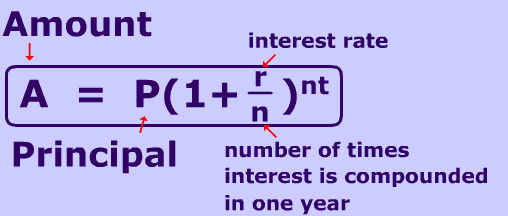
A is the amount. This is the total amount after interest is applied. This is typically the solution to a simple compound interest problem.
P is the principal. This is the initial investment amount.
R is the rate of interest. This rate reflects how many dollars per $100 will be earned. 2.5% means you'll earn $2.50 per $100 invested.
n is the number of times the interest compounds each year. An annual compound is once, a semi annual compound would be twice, and a quarterly compound would compound 4 times a year.
t is the number of years the interest will be growing the principal.
So what's happening? For rate of interest is multiplied by the principal for the first year and then applied to the total amount. For every next year the total amount will be multiplied by the interest rate, meaning a greater amount of earning occur each year due to the higher total investment. This is what that looks like:


No comments:
Post a Comment